Why it exists
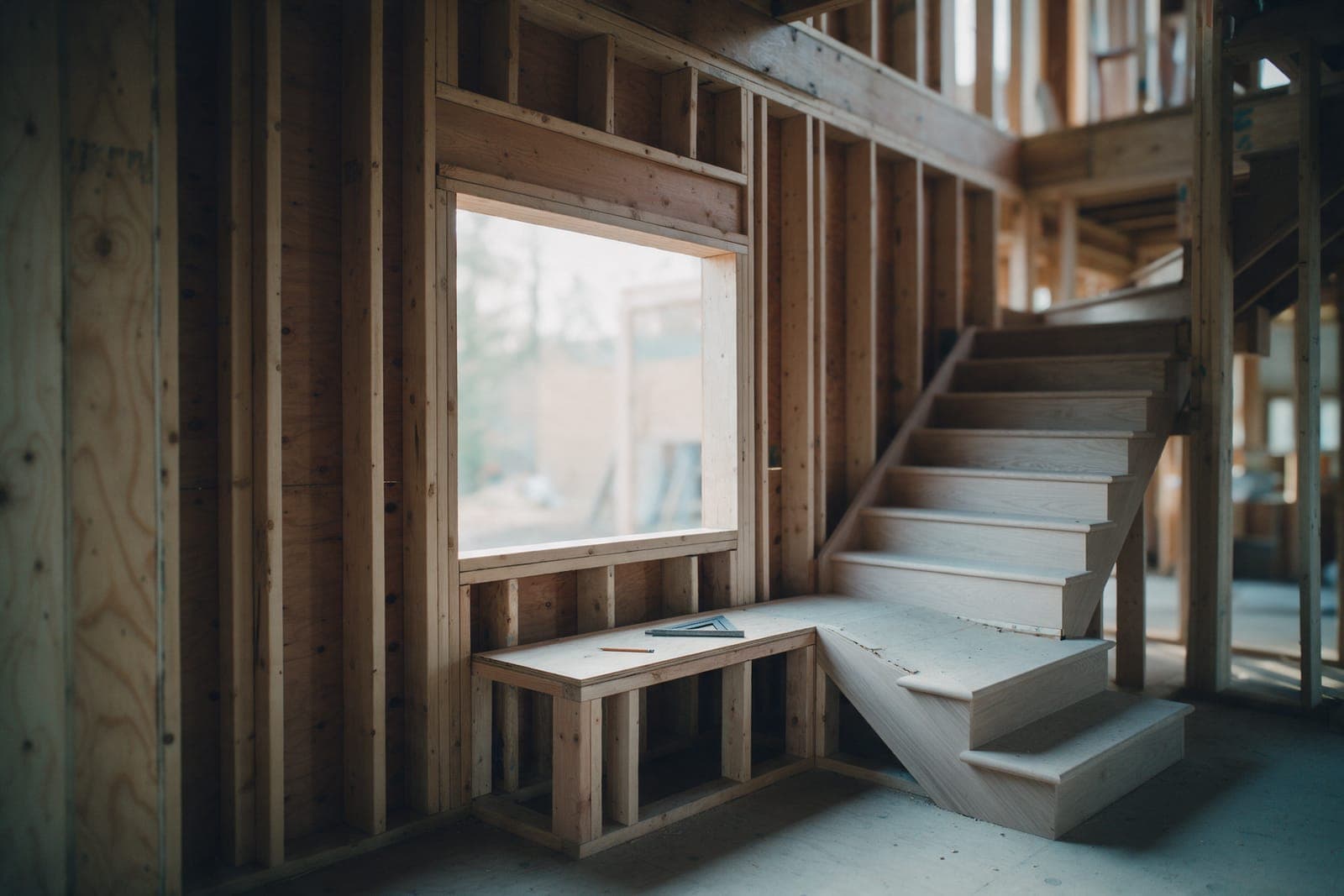
A change order turns a conversation on site into a decision with a price. The conversation may take a minute: a seat at a landing, another window, a different floor. The document has to last longer. It records what was requested, what will be supplied, what it costs and when it can be done. A remembered conversation cannot do all four reliably.
Scope in sentences
Write the work in sentences that can be checked after it is built. Name the material, the size and the finish. State the parts being removed as well as the parts being added. A change to a window may affect framing, trim, painting and electrical work. If the scope only says add window, those other decisions have been left for an argument later.
A drawing makes a small change easier to agree on.
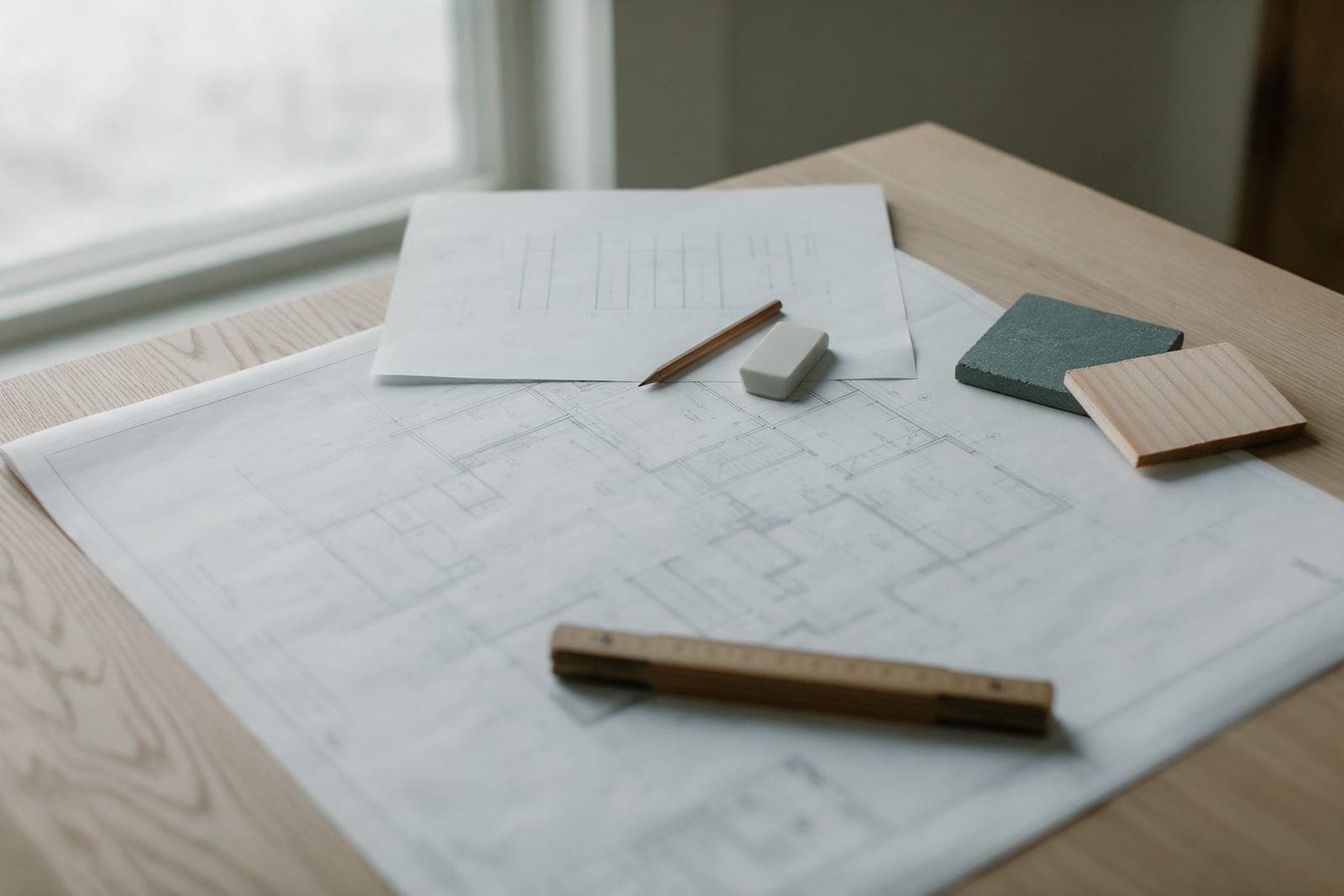
A drawing, even a small one
A small elevation is often enough. It gives a window its position and a seat its width. Put the dimensions on it and identify the revised sheet. The drawing and the scope should describe the same work. If they disagree, resolve the disagreement before the document is signed, while there is still only paper to change.
A price by line, with the fee shown
Our fee on changes is 12 percent, printed on the page. Show the work below it in lines a client can follow. A credit should be as legible as an extra. The price is a total for the stated scope, not an invitation to guess what another trade may charge after work begins.
The schedule effect, in days
Say which activity changes and whether the keys date moves. Two extra framing days may fit inside existing float; two extra weeks waiting for a window may not. The document should explain that distinction and say which draw will carry the amount.
Two signatures before the saw
The client approves the scope and price. The builder countersigns to accept the work and its timing. Both records stay with the job. When the crew asks which version to build, the superintendent can point to a dated decision rather than search a chain of messages.