The first sheet
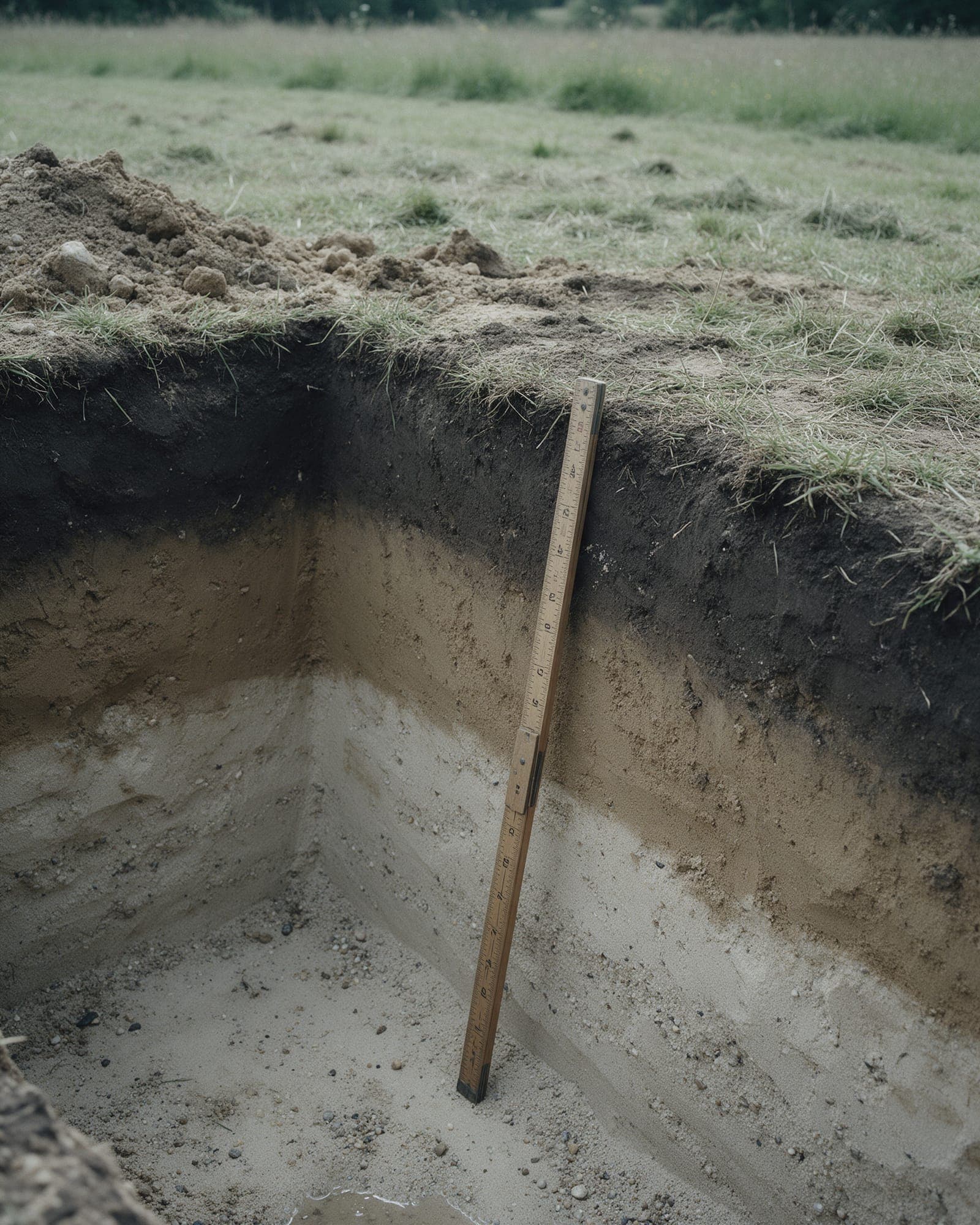
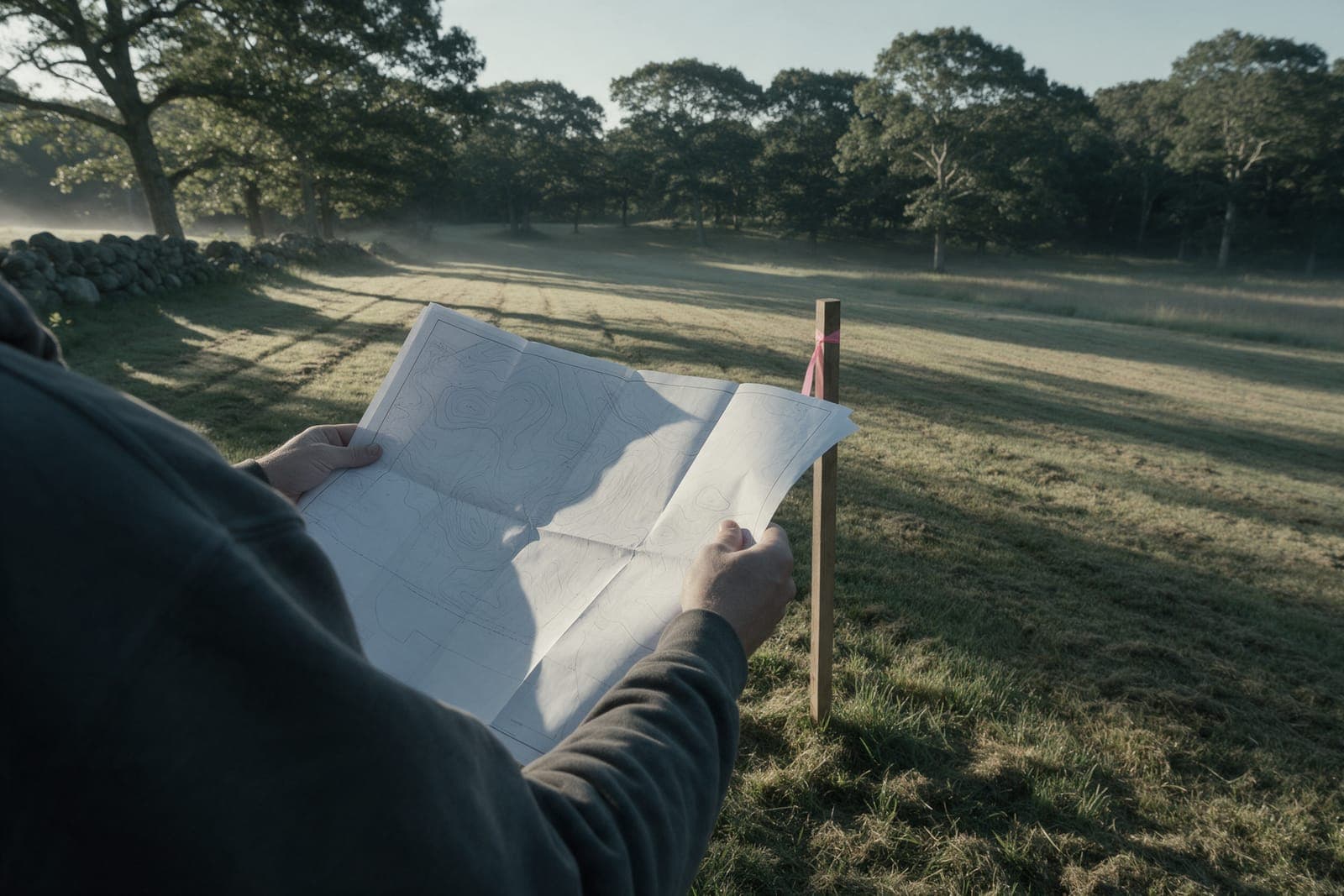
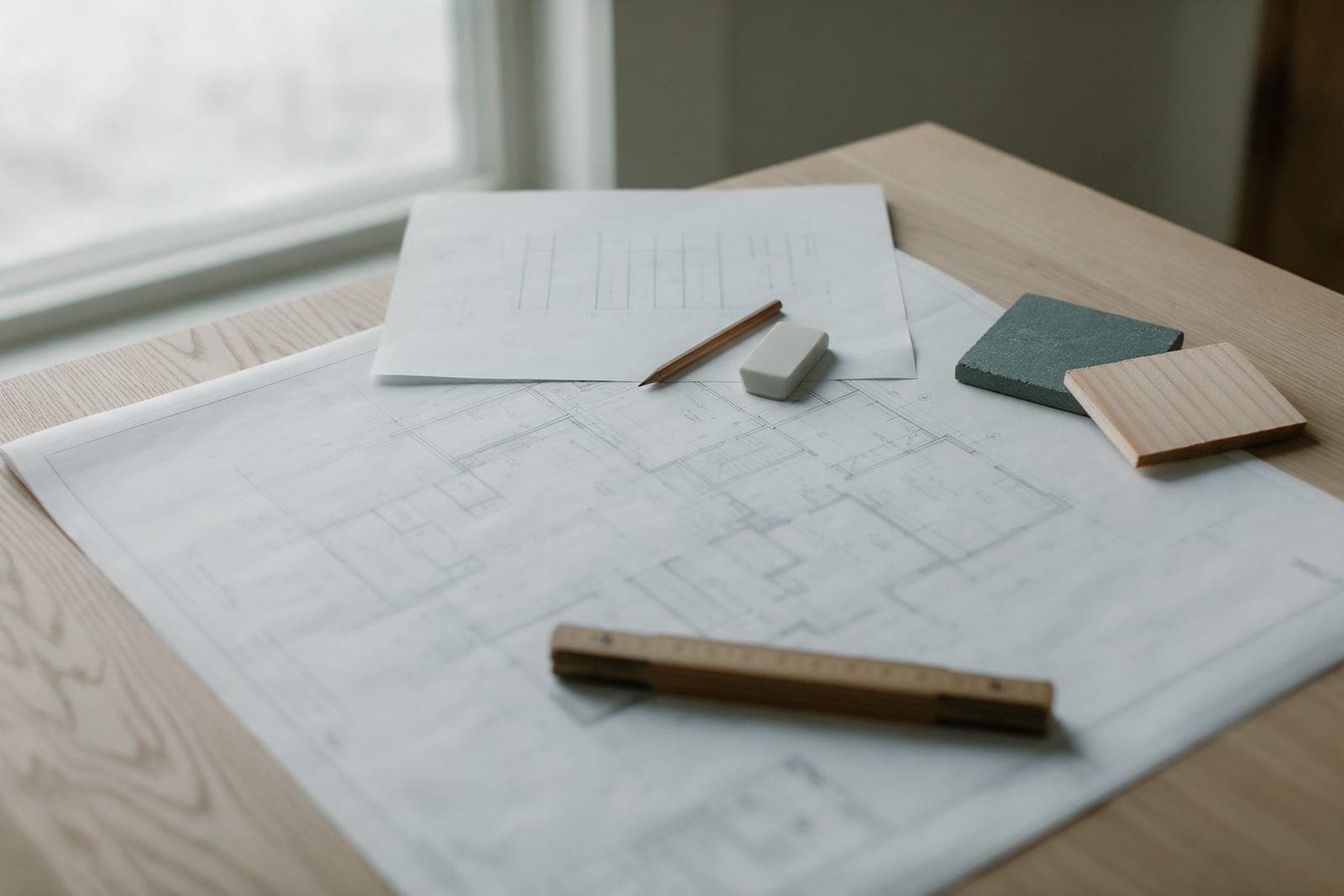
Most houses get priced after the permit set is drawn. By then the design has been shaped by a hundred decisions nobody priced, and the number arrives as a verdict. We would rather it arrive as a constraint. Our first meeting after the survey ends with one sheet: a plan at the scale of the lot, with walls, windows and rooms at their sizes. Before we draw a second sheet, Sam prices the first. He prices it by trade, by area, by the count of windows and corners, with the site work taken from the test pit and the survey.
What a band is
The first price is a band, plus or minus 7 percent. For a 3,600 sq ft house in Cold Spring Harbor at our middle finish level, that is about $3.5M to $4.05M, all in. The band narrows to plus or minus 3 percent at design development, and it becomes a fixed price at contract. We price the house before we draw the second sheet. That does not mean pretending every choice has been made. It means naming the choices that remain and putting a number beside each one.
We would rather the number arrive as a constraint than as a verdict.
Why it holds
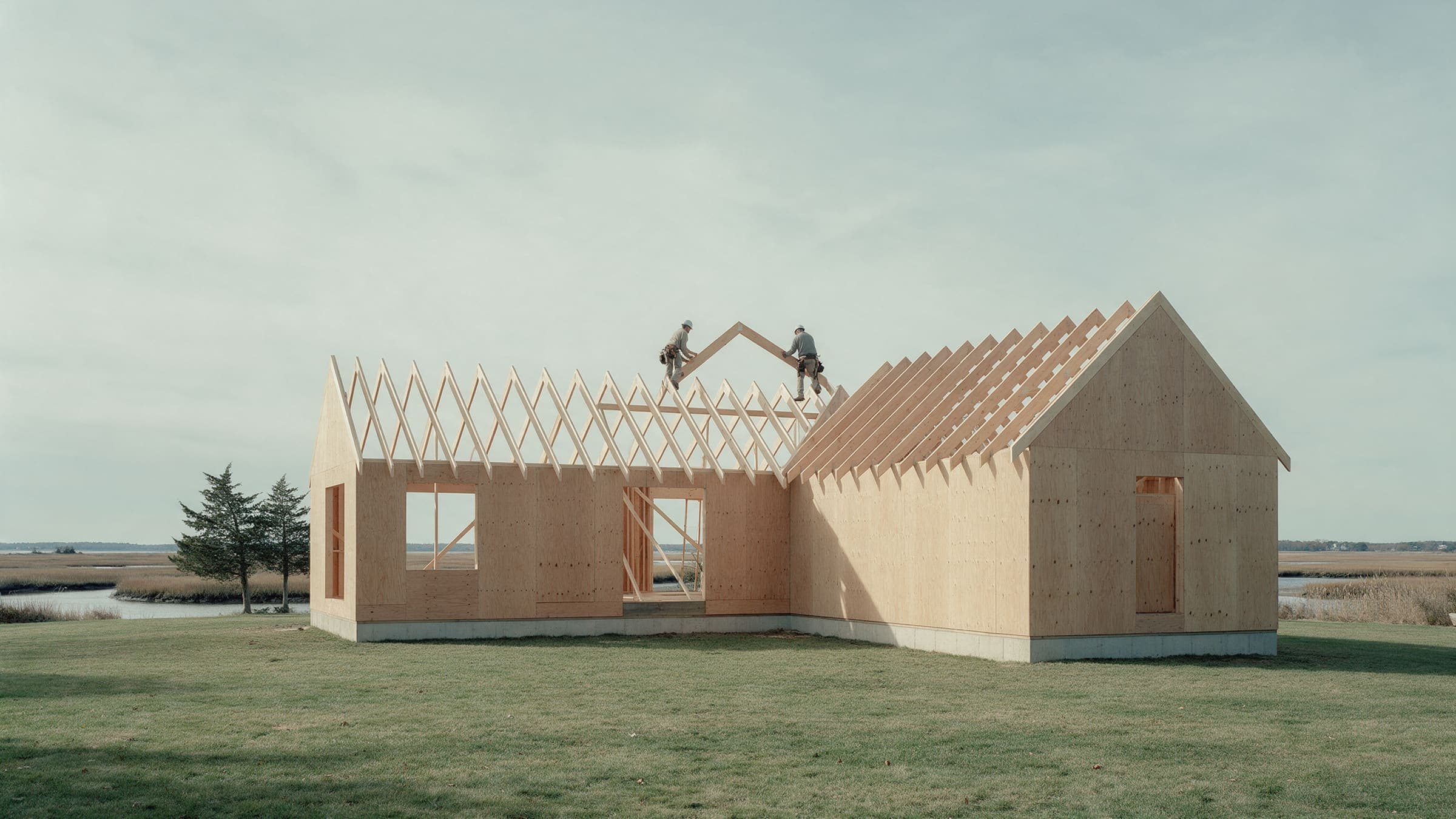
Because the people who price it are the people who build it. Sam sits twenty feet from Ines. When a drawing changes, the price changes the same afternoon, and you see both. The point is to find the expensive line while it is still a line on paper. Moving a wall on a drawing costs less than moving a footing. Keeping the price beside the plan makes that difference visible.
What we will not price
A lot without a survey. A renovation we have not opened a wall in. A house someone else drew, unless the drawings are still early enough to change. A band is useful only when the work underneath it has been checked. If something remains unknown, it gets an allowance and a question, rather than a quiet assumption.