Joints: the quiet signs of stiffness
Dogs limp and cats stop jumping. Usually it is pain, and pain can be treated.
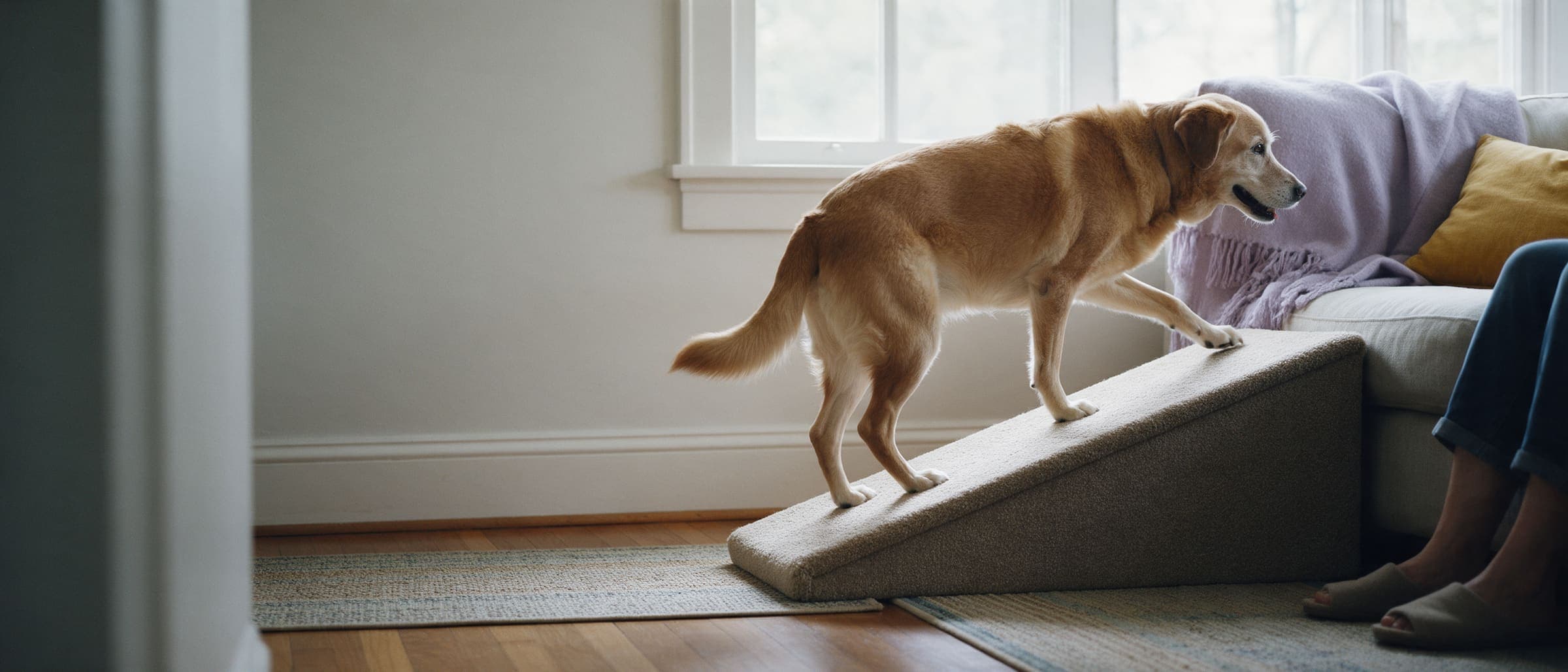
Dogs limp, cats stop jumping
Dogs usually show joint pain plainly: a limp after rest, a slow start in the morning, a pause before the stairs or the car. Cats almost never limp. They stop jumping onto the bed or the counter, pee or poop just outside a high-sided box, and groom less over the hips. Most owners read it as age. Usually it is pain, and pain can be treated.
Rugs, ramps, and low-sided boxes
Small changes at home help more than people expect. Put runners or rugs on slippery floors so your dog can grip. A ramp or a step gets an older dog into the car and an older cat onto the bed. For cats, a litter box with one low side, even a storage tray, can end accidents caused by a sore back.
Weight and joints
Extra weight is the thing we can change most. A dog who loses a tenth of their weight often moves visibly better within weeks. We weigh at every visit and can give you a feeding plan with an exact amount, in cups or grams.
When x-rays help
Most limps can be found by hand, so we watch your pet walk and examine each joint before we suggest x-rays. They help when the exam points to a specific joint, when a limp does not settle with rest and pain relief, or after a fall. Two views cost $260 to $380, priced before we take them, and you look at them with the vet the same day.
A guide, not a diagnosis. If you are not sure, call. We would rather you ask.
Keep reading
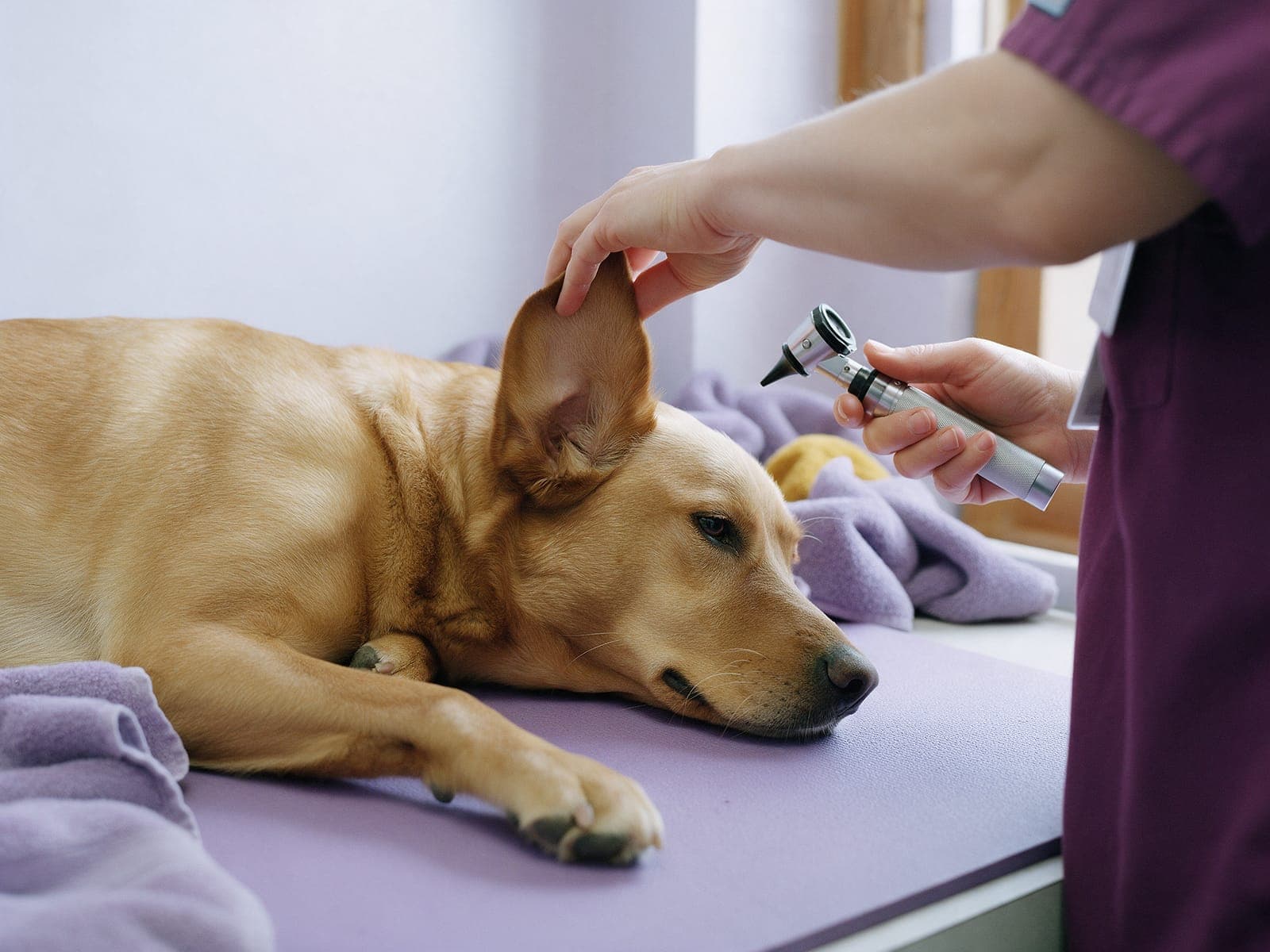
Ears: head shaking, smells, and when a tilt is urgent
Most ear trouble is yeast, bacteria, or mites. A swab tells us which, in ten minutes.
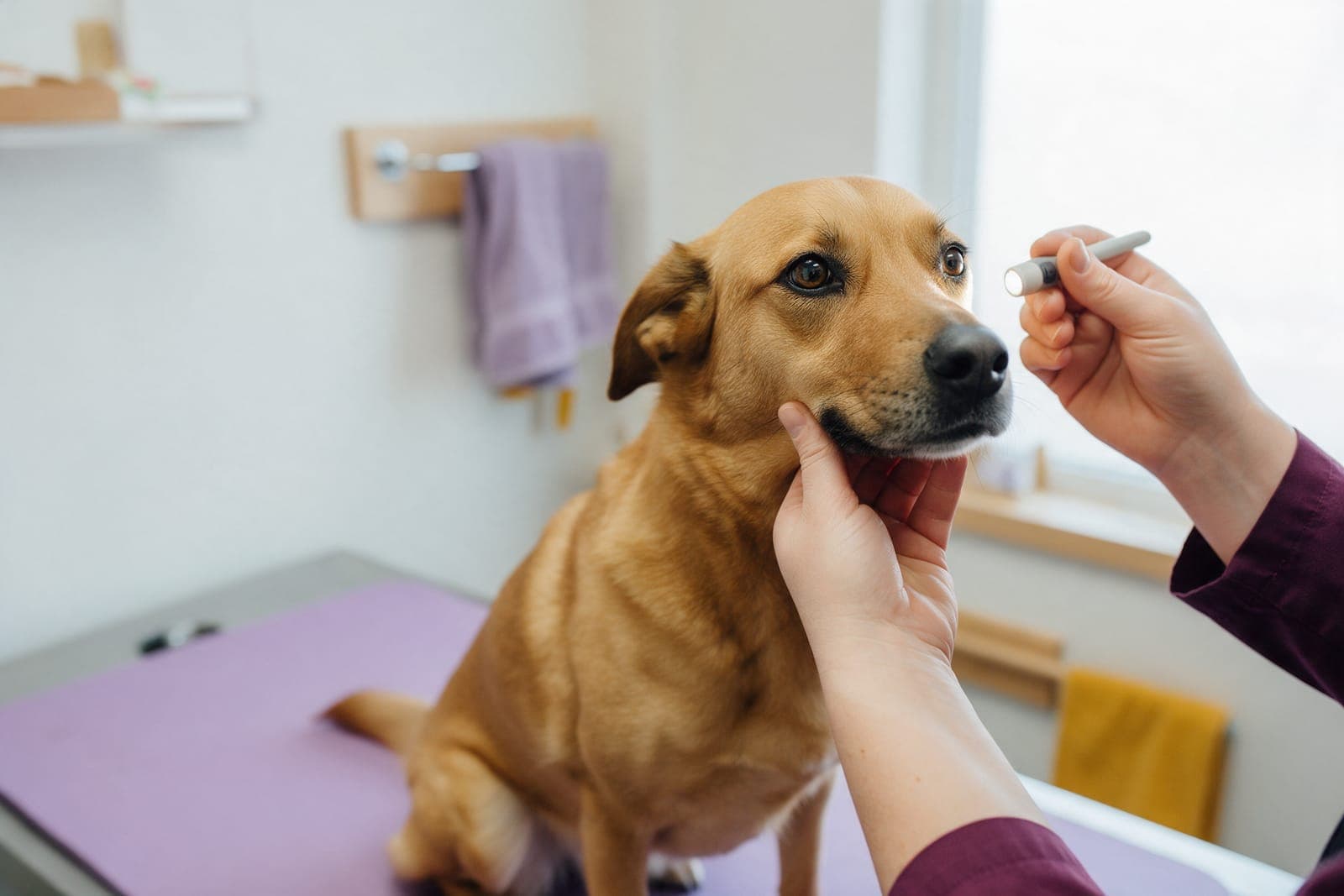
Eyes: squinting, discharge, and sudden changes
Squinting is how pets show eye pain. Most causes are small if they are seen within a day.
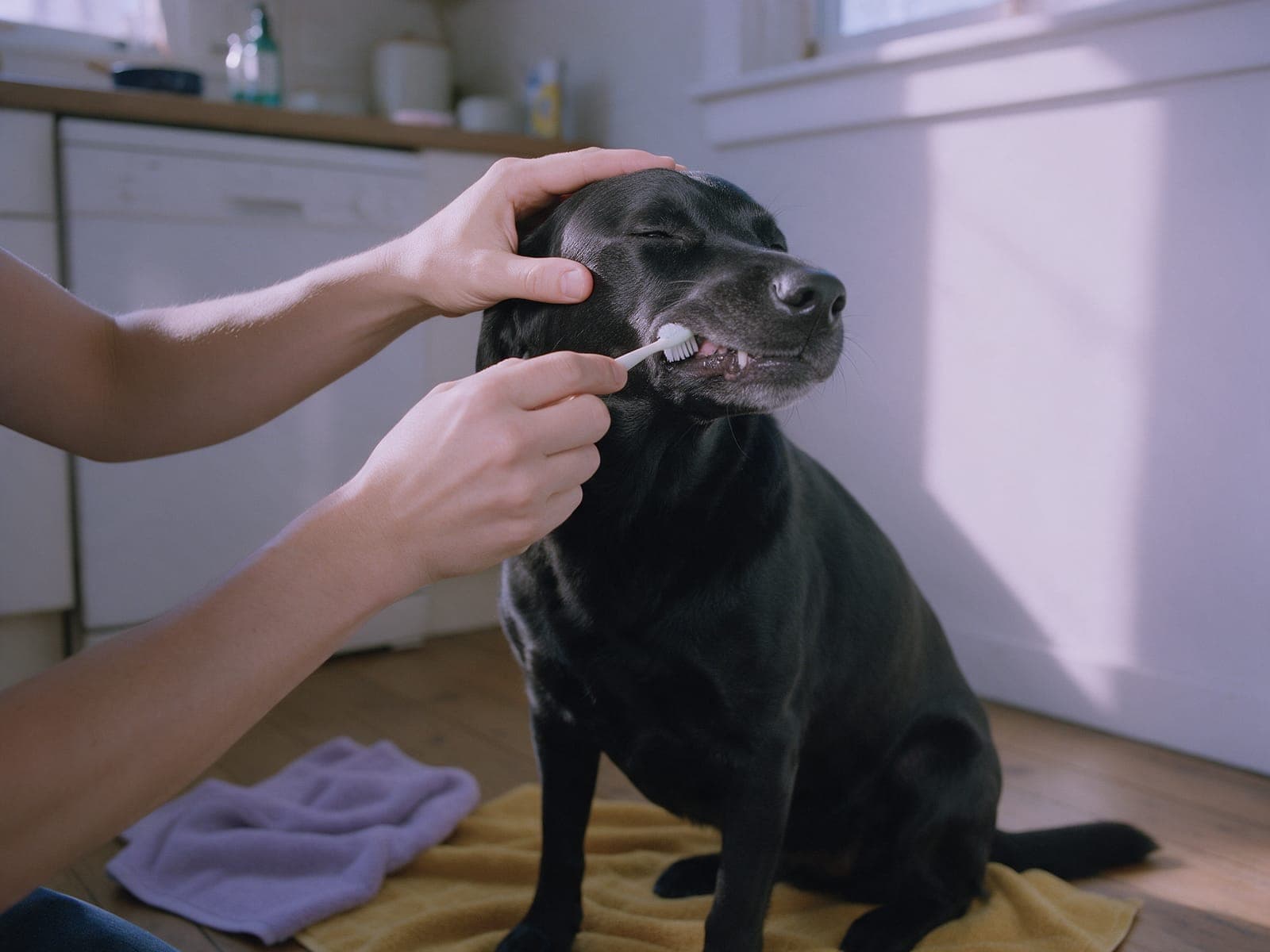
Mouth and teeth: what bad breath usually means
Bad breath usually means sore gums, and most of the problem sits below the gumline.