Belly: vomiting, diarrhea, and the emergencies to know
One bad day is common. A pattern, bloat, a blocked cat, or a toxin is not.
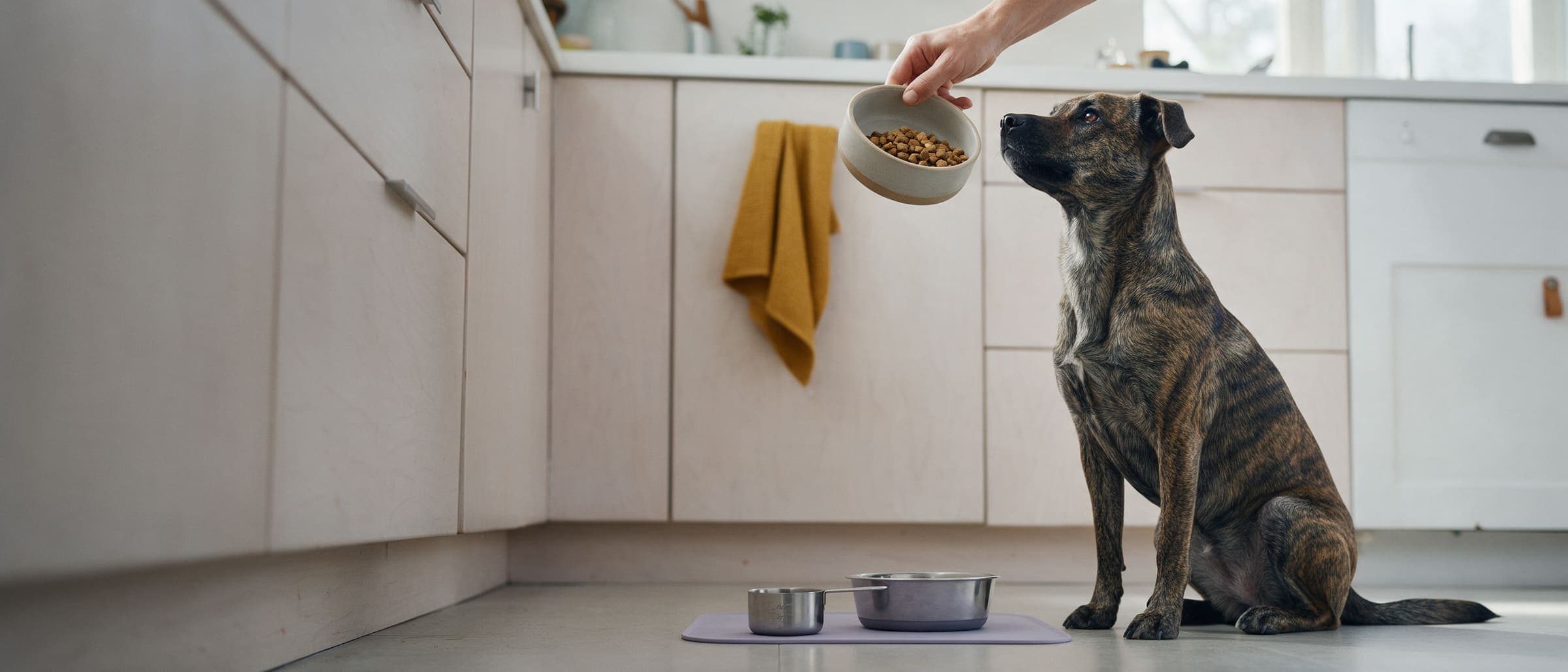
One bad day versus a pattern
Most dogs vomit now and then after eating grass or something from the yard, and one episode in an otherwise bright dog is common. A pattern is different: vomiting more than once a week, diarrhea for more than two days, eating less, or losing weight.
Bland food, done right
For an adult dog with a short, mild upset: no food for a few hours, then plain boiled chicken or white fish with plain white rice, about one part protein to two parts rice, in four to six small meals a day for two days. Then mix it back into the usual food over three days. No butter, oil, salt, or seasoning. Puppies, small dogs, older dogs, and all cats should be seen first rather than fasted.
Bloat in dogs
In large, deep-chested dogs the stomach can twist. The signs are trying to vomit with nothing coming up, a swollen or tight belly, drooling, and restlessness. It cannot wait until morning. Call (631) 555-0148, or after 9 pm (631) 555-0163, and go where they tell you.
Blocked male cats
A male cat straining in the litter box with little or nothing coming out may be blocked, and that can become life-threatening within a day. It is easy to mistake for constipation. If you are not sure which it is, call.
Toxins: chocolate, grapes, xylitol, lilies
Call right away if your dog eats chocolate (darker is worse), grapes or raisins in any amount, sugar-free gum or anything with xylitol, or human medicine. For cats, every part of a lily is dangerous, including the pollen and the water in the vase. Bring the packaging. Do not make your pet vomit unless a vet tells you to.
A guide, not a diagnosis. If you are not sure, call. We would rather you ask.
Keep reading
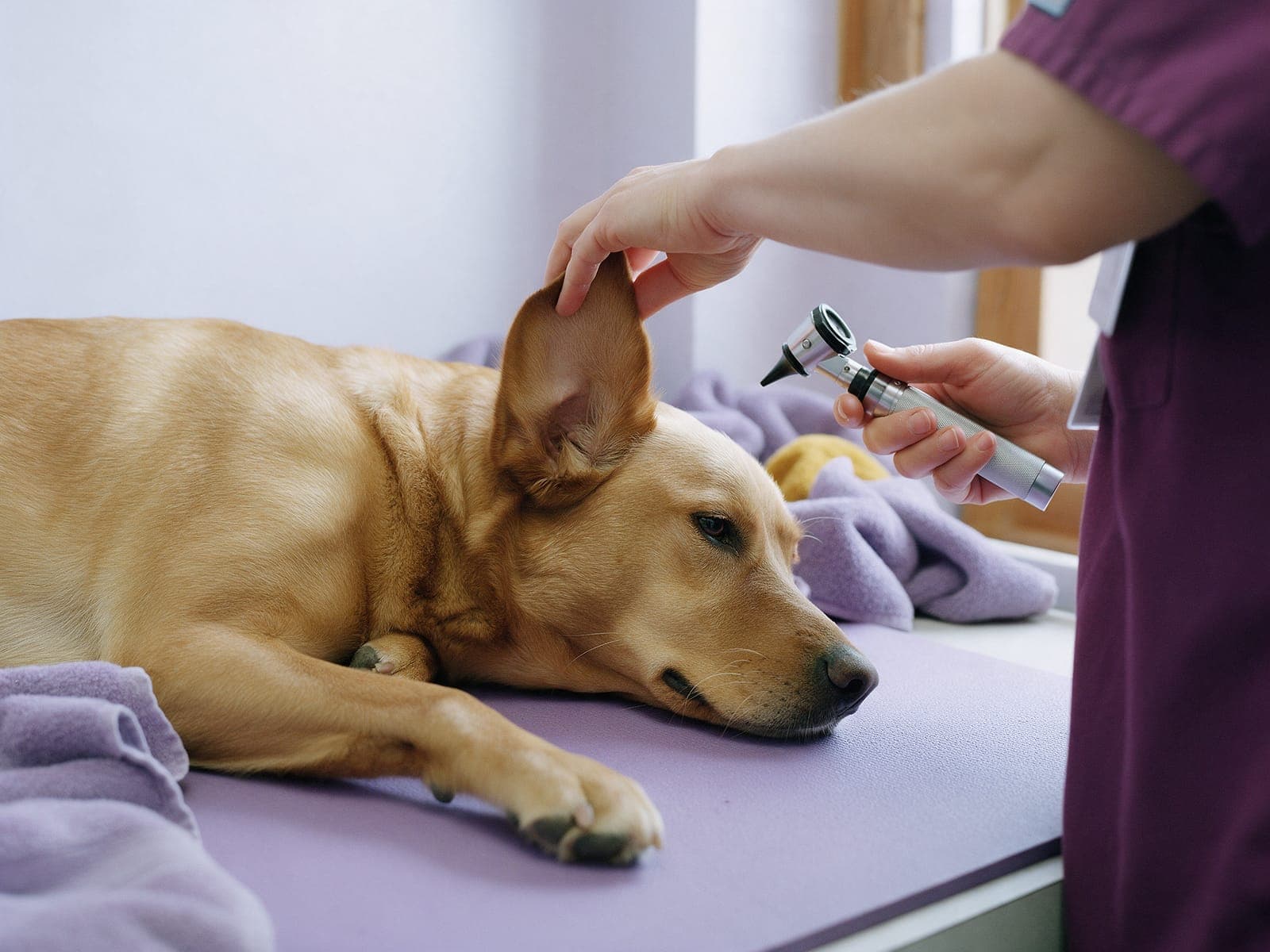
Ears: head shaking, smells, and when a tilt is urgent
Most ear trouble is yeast, bacteria, or mites. A swab tells us which, in ten minutes.
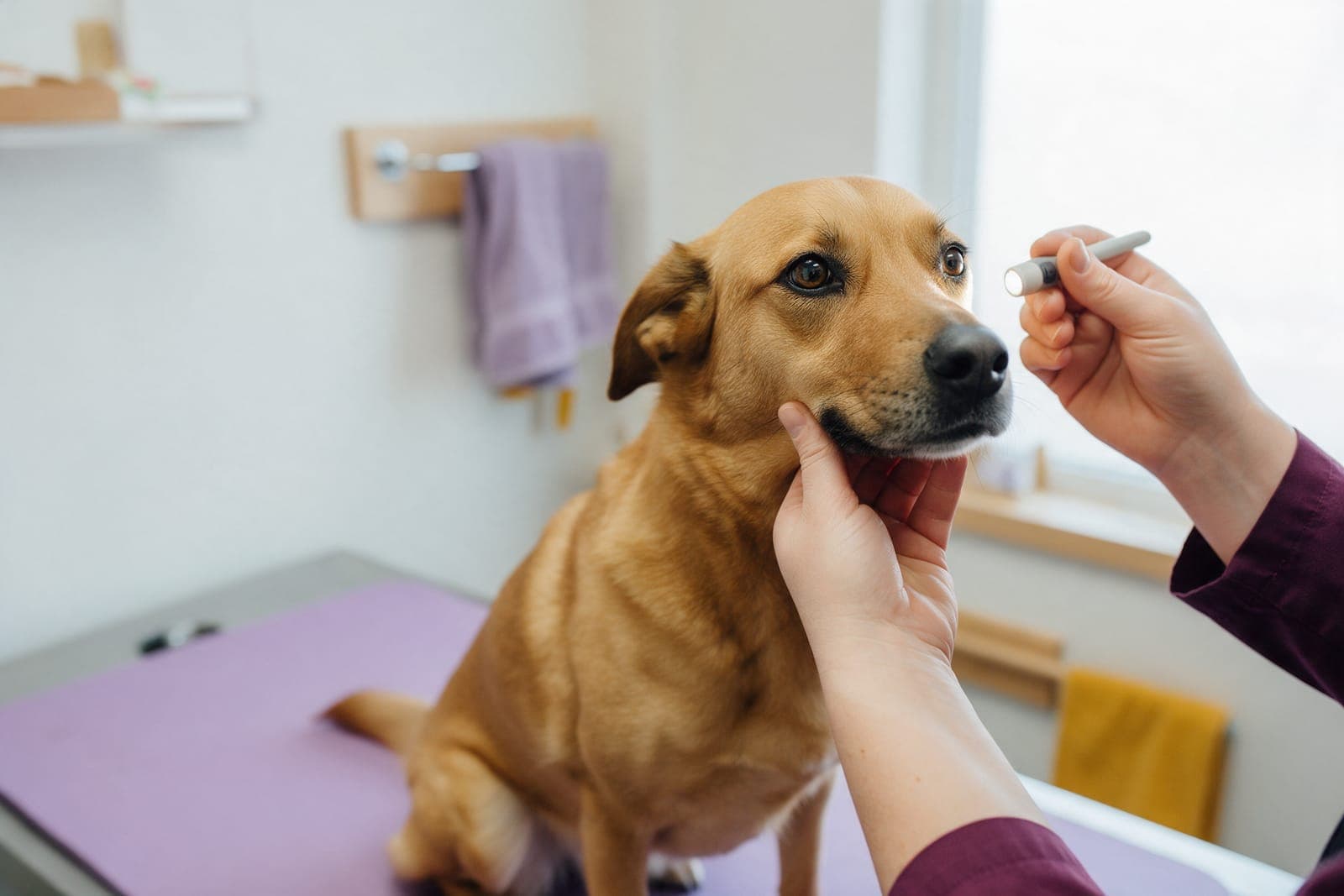
Eyes: squinting, discharge, and sudden changes
Squinting is how pets show eye pain. Most causes are small if they are seen within a day.
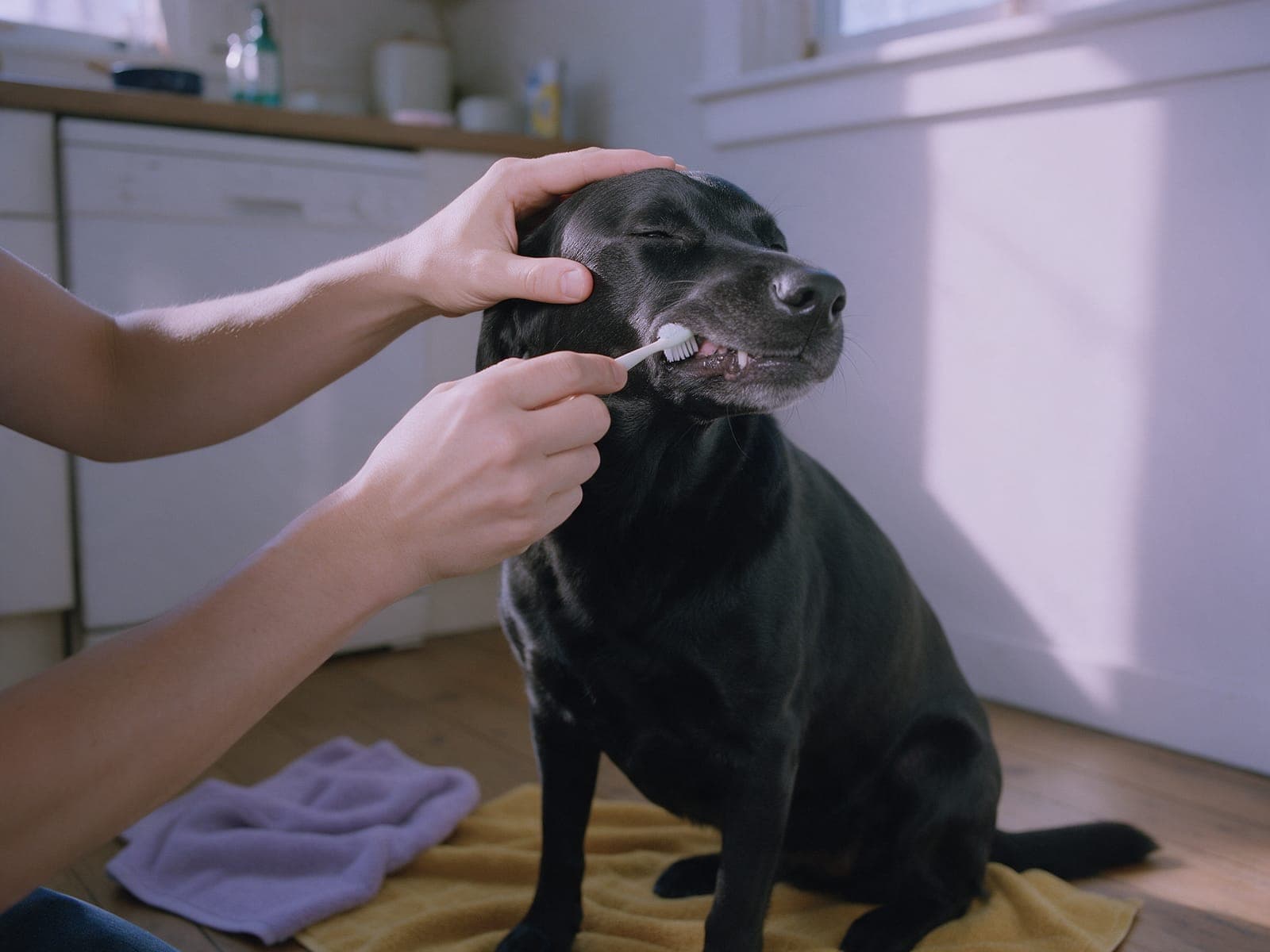
Mouth and teeth: what bad breath usually means
Bad breath usually means sore gums, and most of the problem sits below the gumline.