Mouth and teeth: what bad breath usually means
Bad breath usually means sore gums, and most of the problem sits below the gumline.
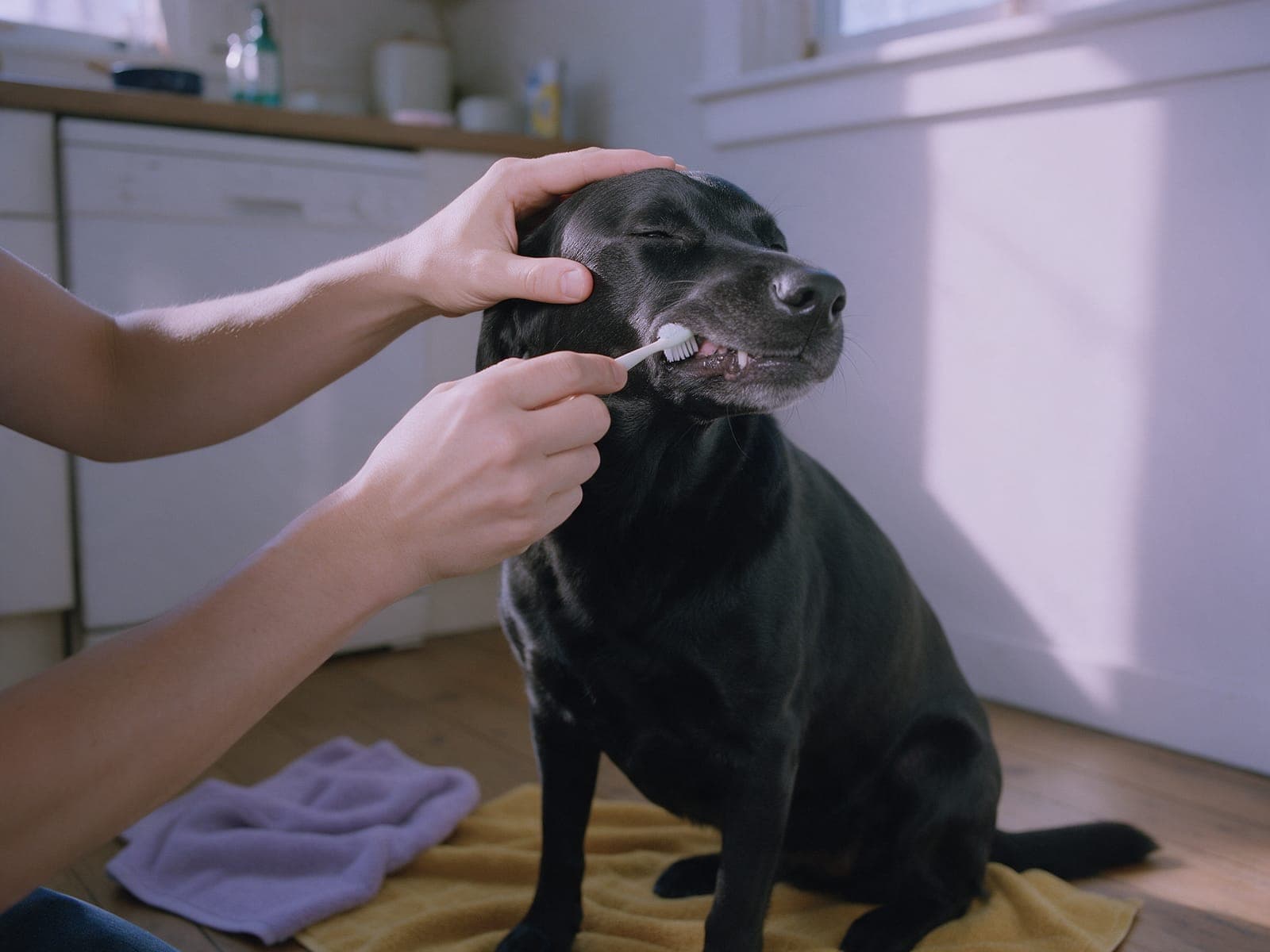
Bad breath is not normal
Breath that makes you turn away usually means bacteria under the gumline, and the gums underneath are often sore. By age three, most dogs and cats have some dental disease. Brushing a few times a week slows it down; chews help less than the packaging says.
Tooth resorption in cats
Many adult cats have teeth that slowly dissolve from the root up. It hurts, and cats hide it: they keep eating, more slowly, or drop food, or chew on one side. From above the gumline the tooth can look almost normal, which is why dental x-rays matter more in cats than in any other patient we see.
Why cleanings need anesthesia
Most of each tooth is under the gum, and that is where the disease is. Cleaning there, and taking the x-rays that show the roots, cannot be done on an awake animal. Scraping the visible surface without anesthesia makes teeth look white and leaves the problem. Under anesthesia, Rosa watches breathing, heart rate, blood pressure, and temperature from start to finish, and your pet lies on a heated pad.
What the estimate covers
After an awake assessment ($95), you get a written estimate as a range. The low end is a cleaning with no extractions; the high end covers the teeth most likely to need attention. If the x-rays show a problem that is not on the estimate, we call you before we do anything. Dental estimates over $600 can be split into three monthly payments.
A guide, not a diagnosis. If you are not sure, call. We would rather you ask.
Keep reading
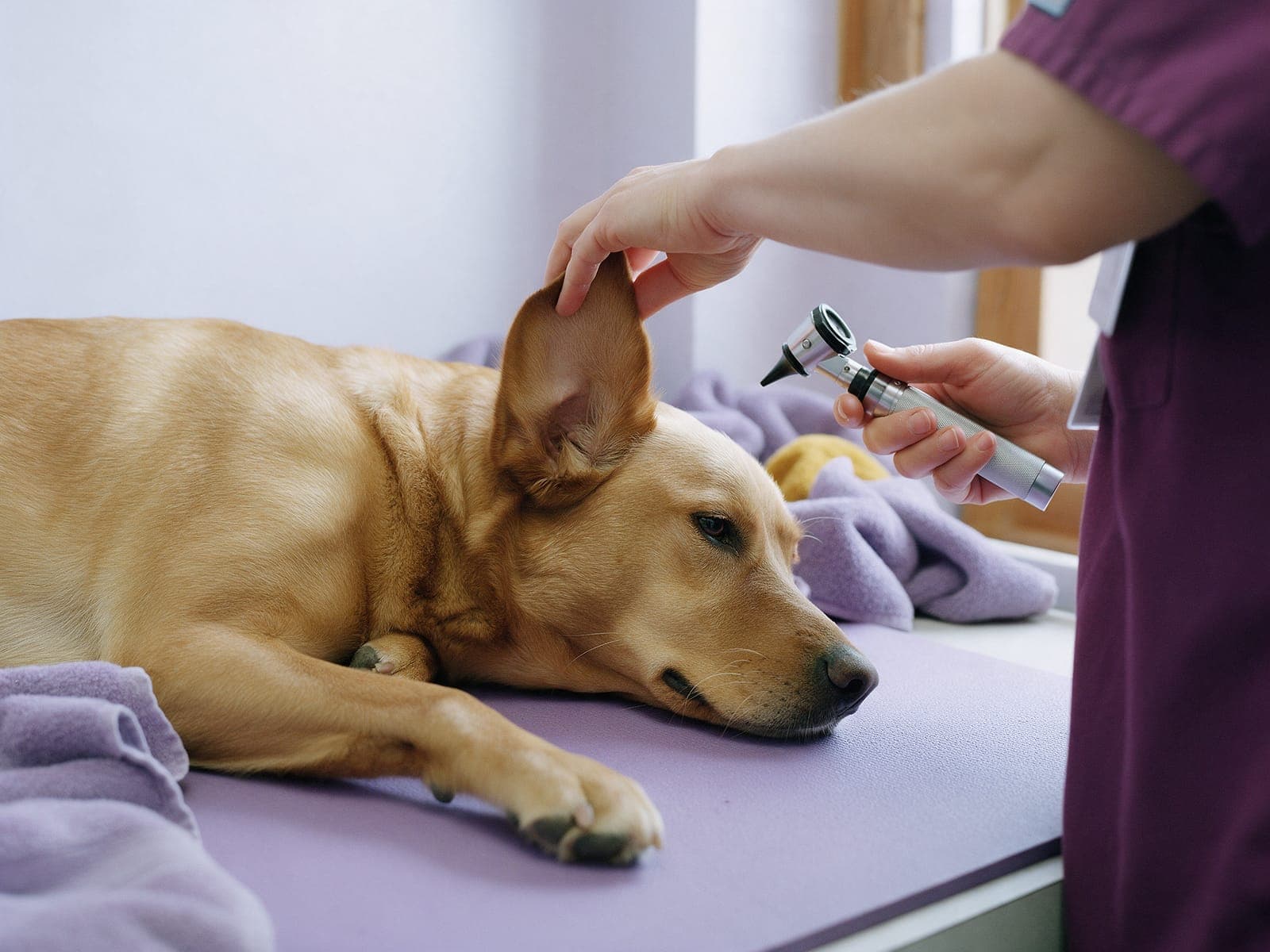
Ears: head shaking, smells, and when a tilt is urgent
Most ear trouble is yeast, bacteria, or mites. A swab tells us which, in ten minutes.
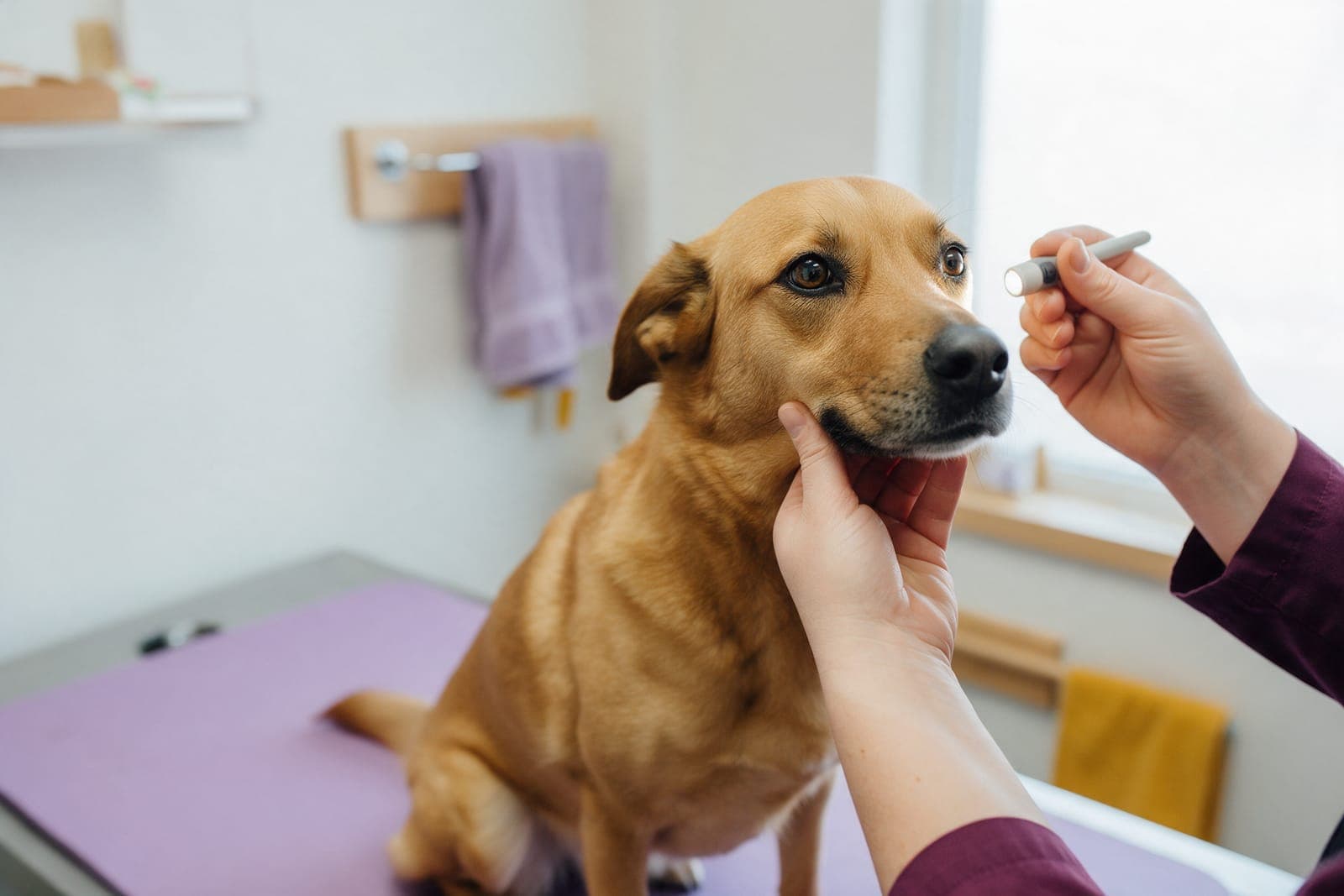
Eyes: squinting, discharge, and sudden changes
Squinting is how pets show eye pain. Most causes are small if they are seen within a day.
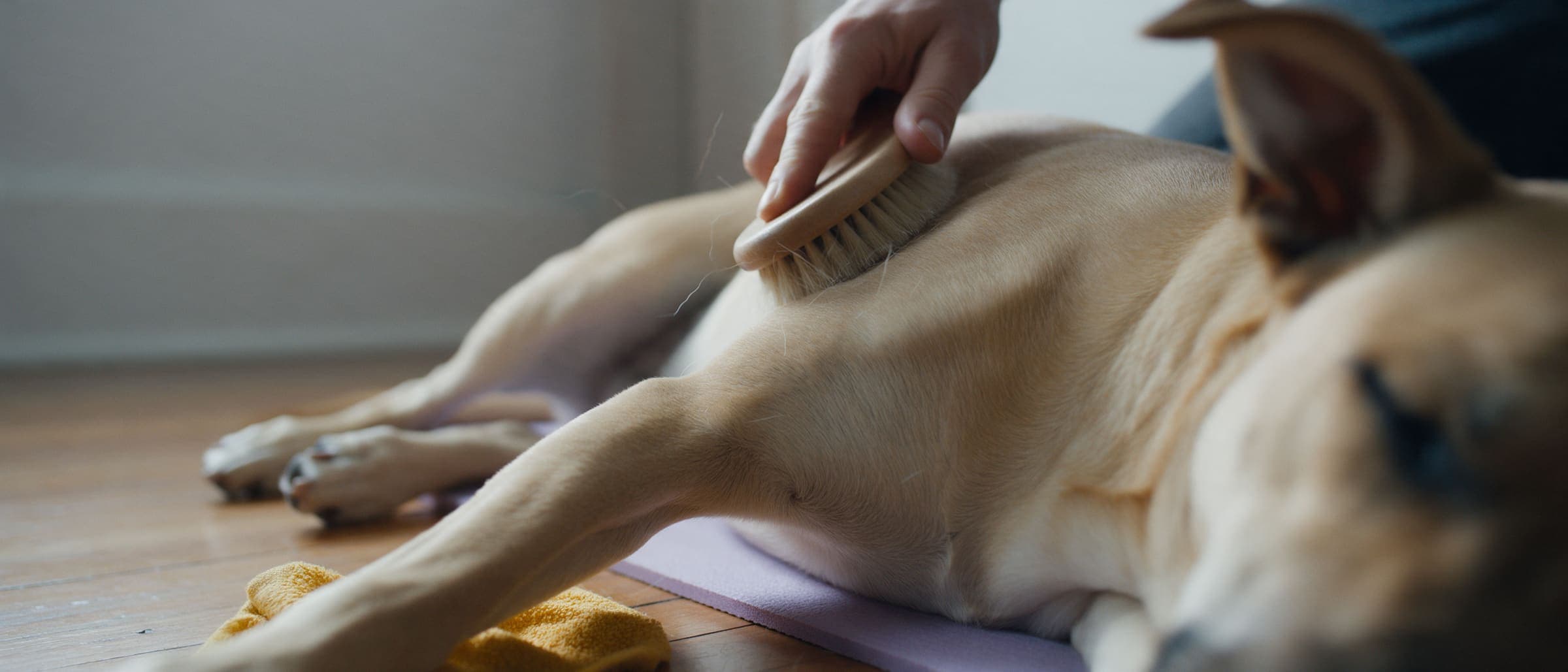
Skin and coat: itch, hot spots, and overgrooming
Itch always has a cause. We rule out fleas and mites first, because they are quick to find.