Skin and coat: itch, hot spots, and overgrooming
Itch always has a cause. We rule out fleas and mites first, because they are quick to find.
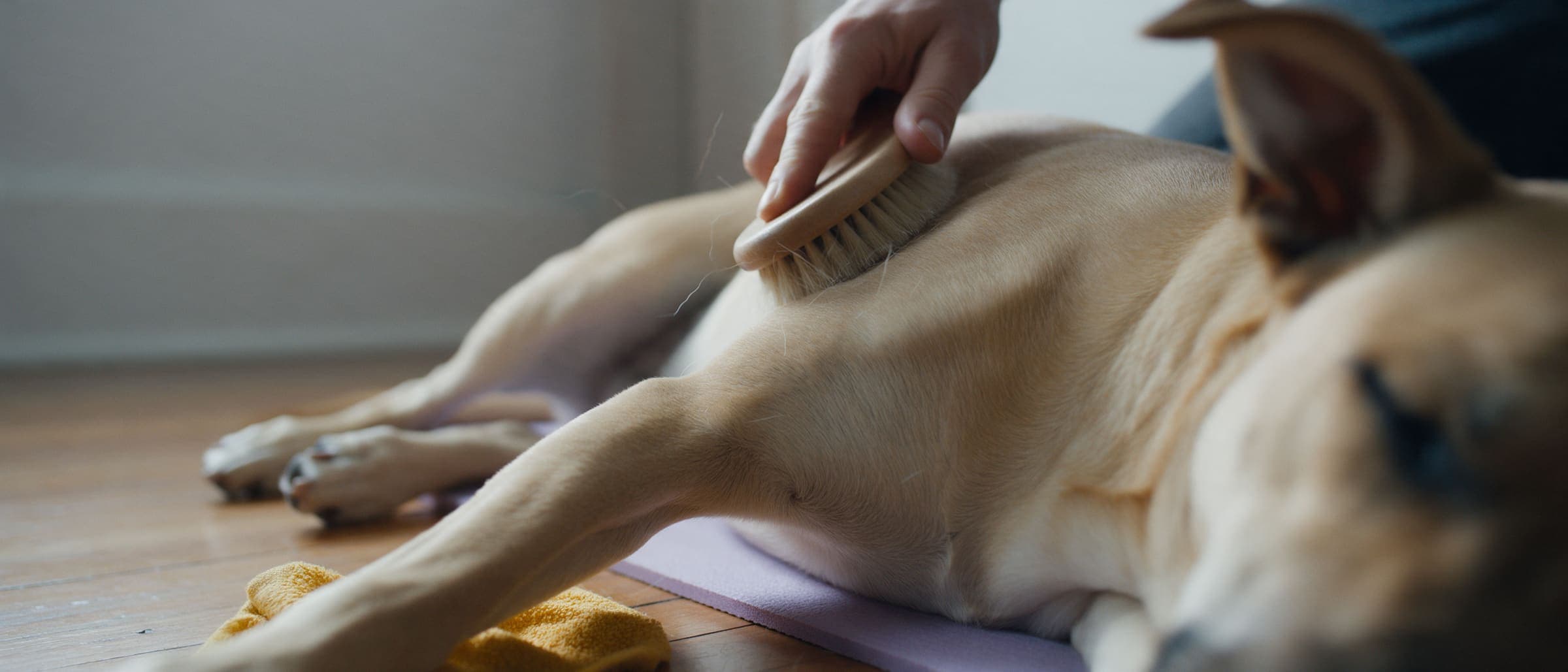
Itch has a cause
Scratching, licking the paws, chewing at the base of the tail, rubbing the face on the carpet: all of these are itch, and itch always has a reason. The common ones are fleas, skin infection, mites, and allergies to something in the environment or the food. We rule out the quick causes first, because a food trial takes 8 weeks and we would rather not start one we do not need.
Fleas in winter
Fleas live happily in a heated house all year, and one flea is enough to make an allergic pet miserable. You may never see one. We look for flea dirt, the black specks that turn red on a damp paper towel. Every pet in the house needs prevention at the same time, or the fleas move to whoever is untreated.
Overgrooming in cats
A cat who licks a patch thin, often on the belly or the inner thighs, can be itchy, sore, or stressed, and the pattern helps tell which. Small scabs along the neck and back are a common sign of flea allergy, even in indoor cats. Older, stiff cats sometimes stop grooming instead, which shows as a greasy or matted coat over the hips.
Lumps worth checking
Most lumps are harmless, and nobody can tell which by touch. Book a check for any lump that is new, growing, changing, or bothering your pet. We can usually take a small sample with a fine needle in the room, for the same $48 as a skin cytology, and read it under the microscope.
A guide, not a diagnosis. If you are not sure, call. We would rather you ask.
Keep reading
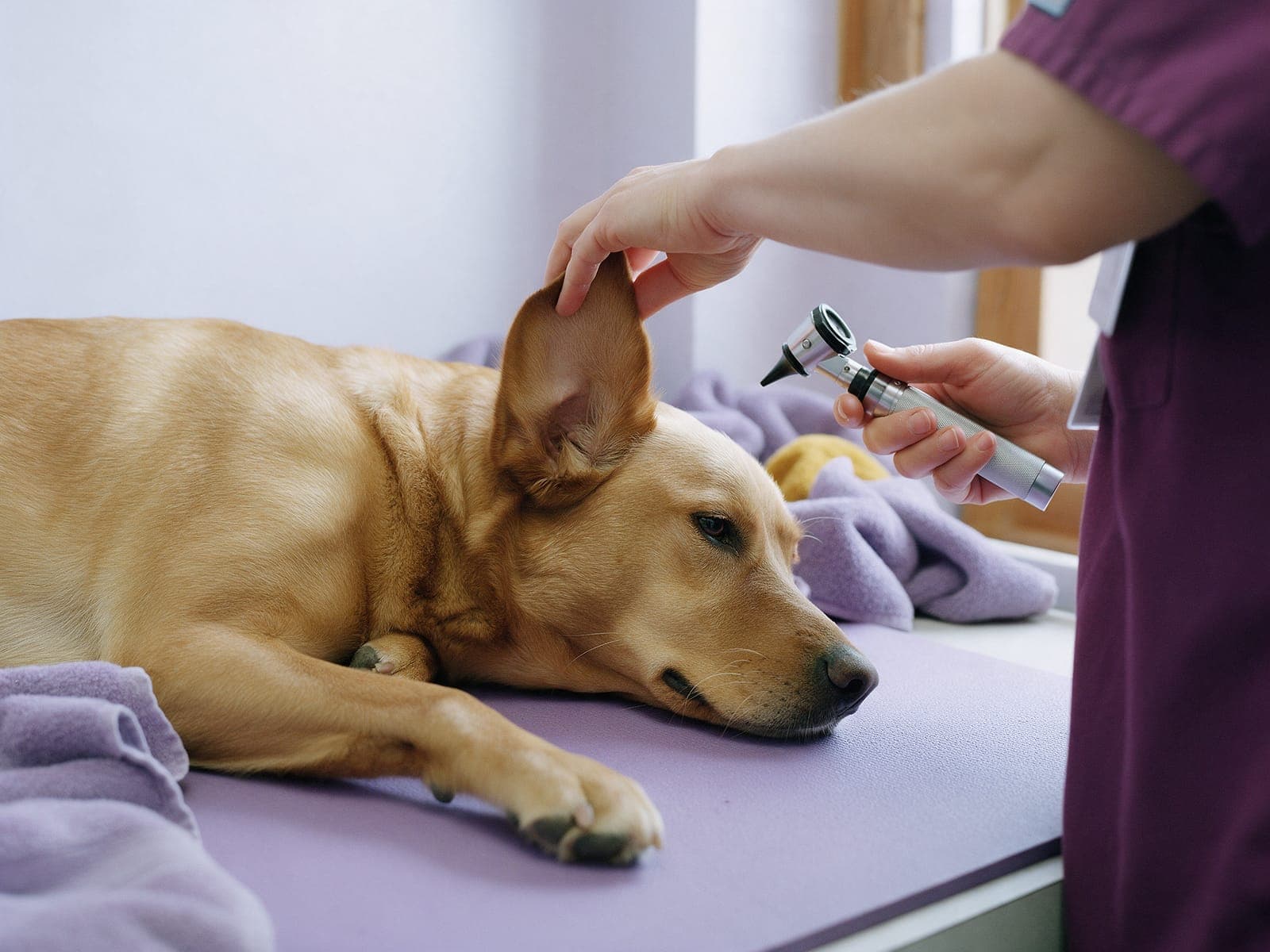
Ears: head shaking, smells, and when a tilt is urgent
Most ear trouble is yeast, bacteria, or mites. A swab tells us which, in ten minutes.
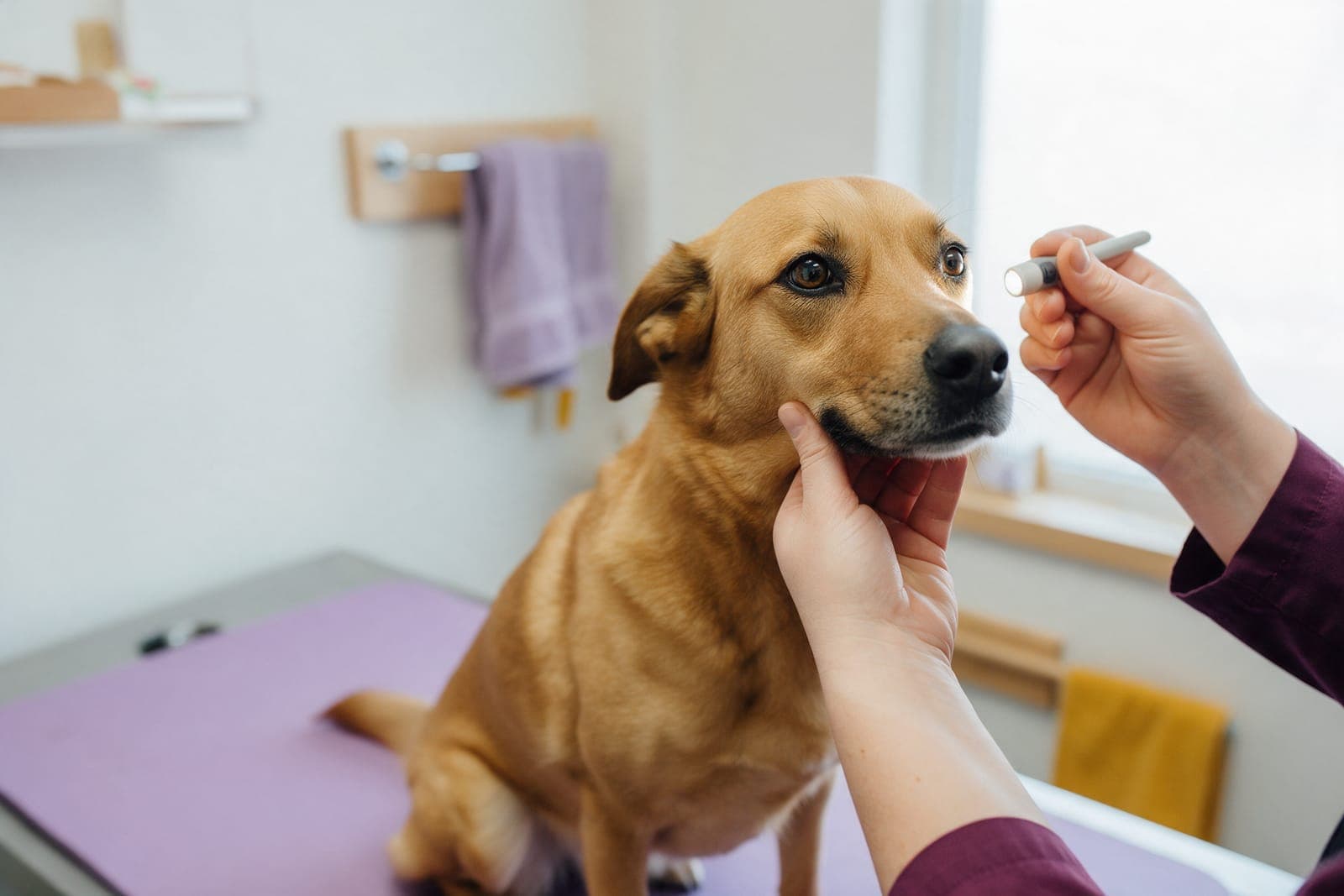
Eyes: squinting, discharge, and sudden changes
Squinting is how pets show eye pain. Most causes are small if they are seen within a day.
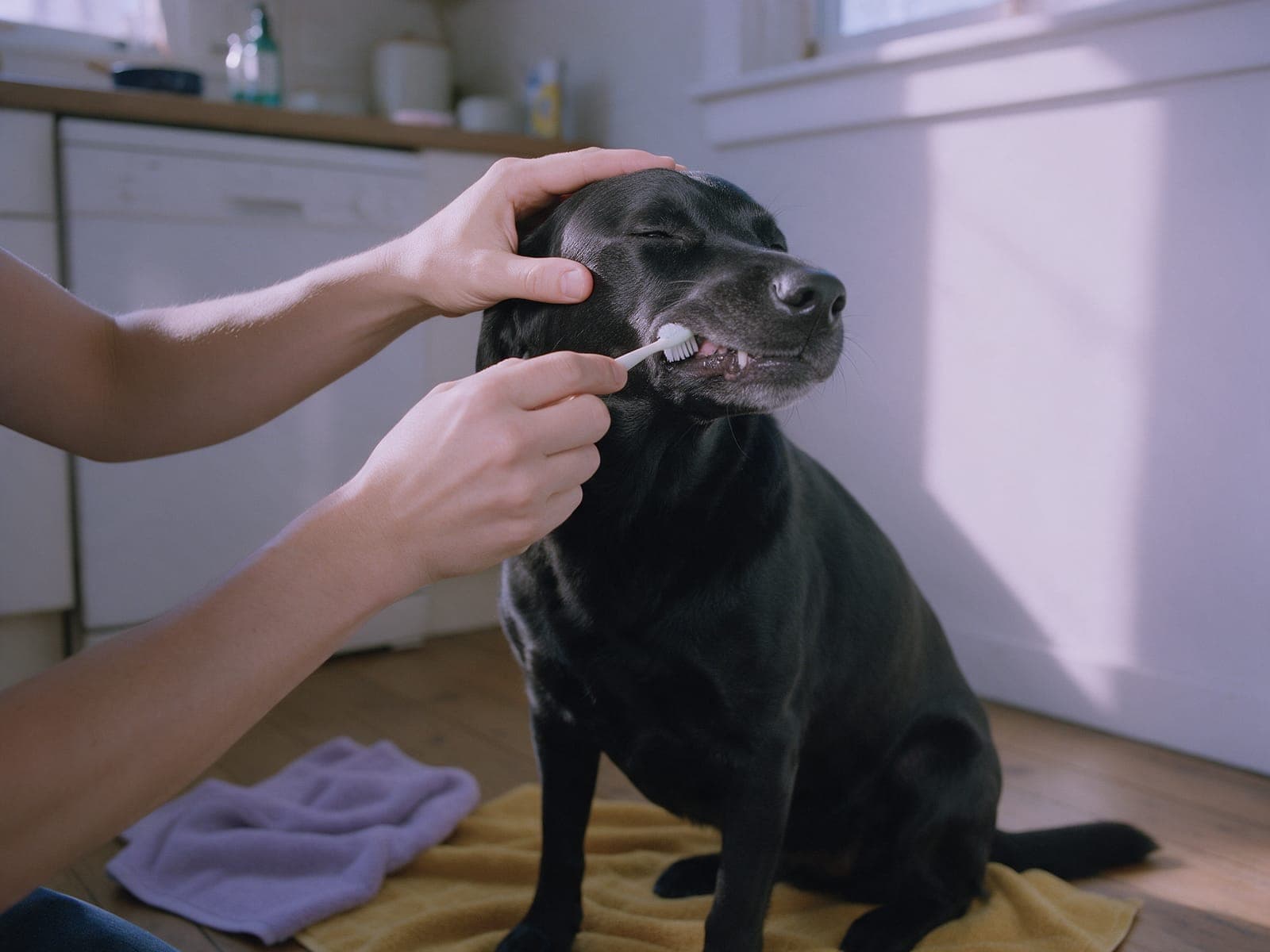
Mouth and teeth: what bad breath usually means
Bad breath usually means sore gums, and most of the problem sits below the gumline.