Carrier training in seven days
Seven days of small steps, so the carrier stops meaning a car and a strange room.
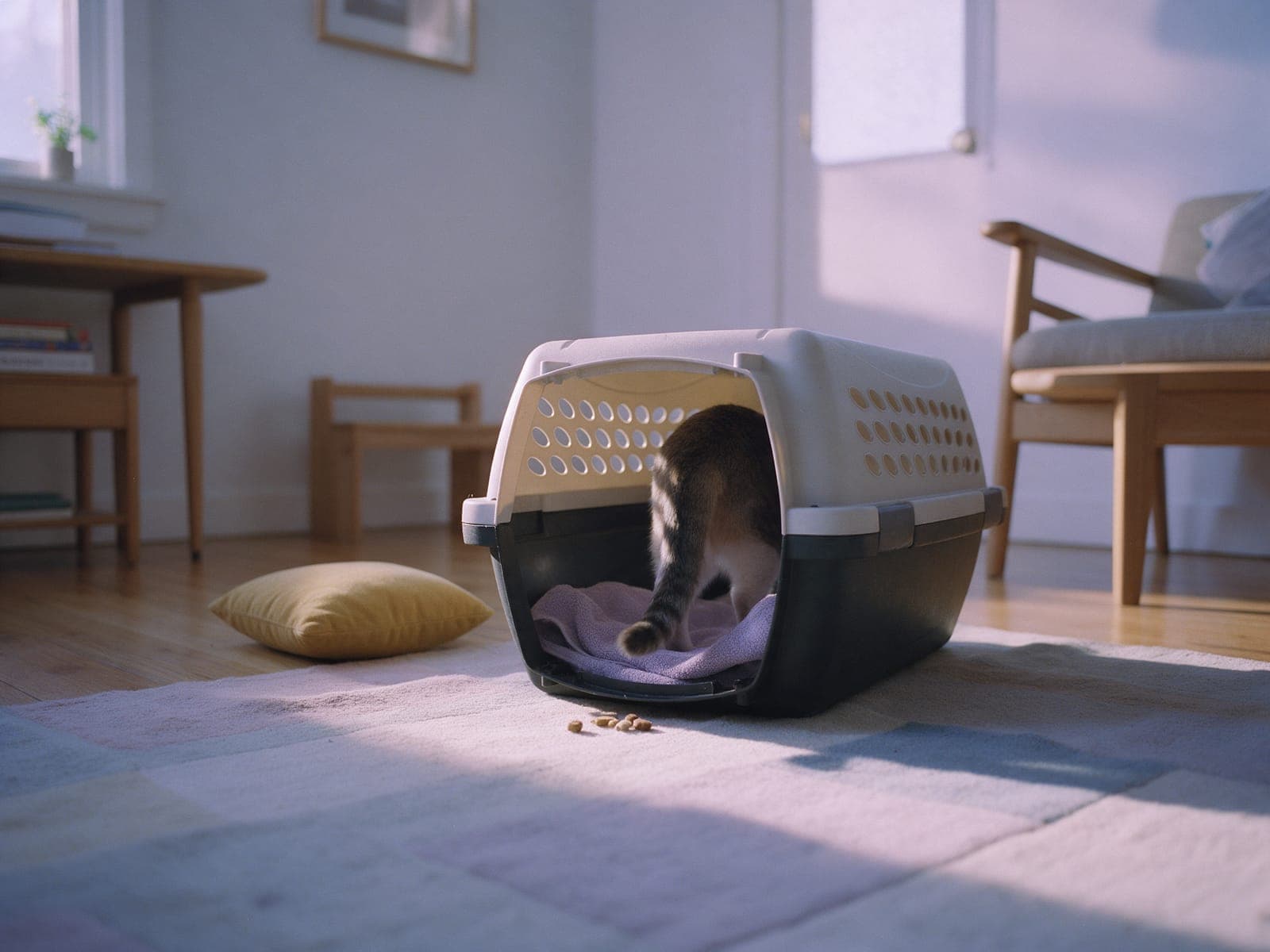
Most cats who fight the carrier are not afraid of the carrier. They are afraid of what it has always meant: a car, a strange room, a thermometer. Seven days of small steps can change what it means.
Before you start
Use a hard carrier with a removable top. Put a towel inside that smells like home, ideally one your cat has slept on.
1. Day 1
Take the carrier out of the closet. Put it in a room where your cat spends time, door off or propped open. Do nothing else.
2. Day 2
Drop a few treats just inside the door at a time your cat would normally have a snack. Walk away.
3. Day 3
Move the treats to the back of the carrier. If your cat goes in, say nothing. Let them come out on their own.
4. Day 4
Feed one meal in the carrier, door still open.
5. Day 5
While your cat eats inside, put the door on and close it for ten seconds. Open it before they finish.
6. Day 6
Close the door, lift the carrier an inch, set it down, open it. Treat.
7. Day 7
Carry it to the front door and back. Treat. That is enough for one week.
On visit day
Cover the carrier with a towel in the car. Park by the side door and text "here" to (631) 555-0148. Kwame or Dr. Ellis will meet you at the door when the room is ready. Most of the exam can happen in the bottom half of the carrier, with the top lifted off.
If your cat panics anyway
Some cats do. Ask us about pre-visit calming medication, given at home about two hours before you leave. It is not a failure. It is often the kindest option.
Small dogs
The same steps work for dogs under 25 pounds. Swap the towel for their bed.
A guide, not a diagnosis. If you are not sure, call. We would rather you ask.
Keep reading
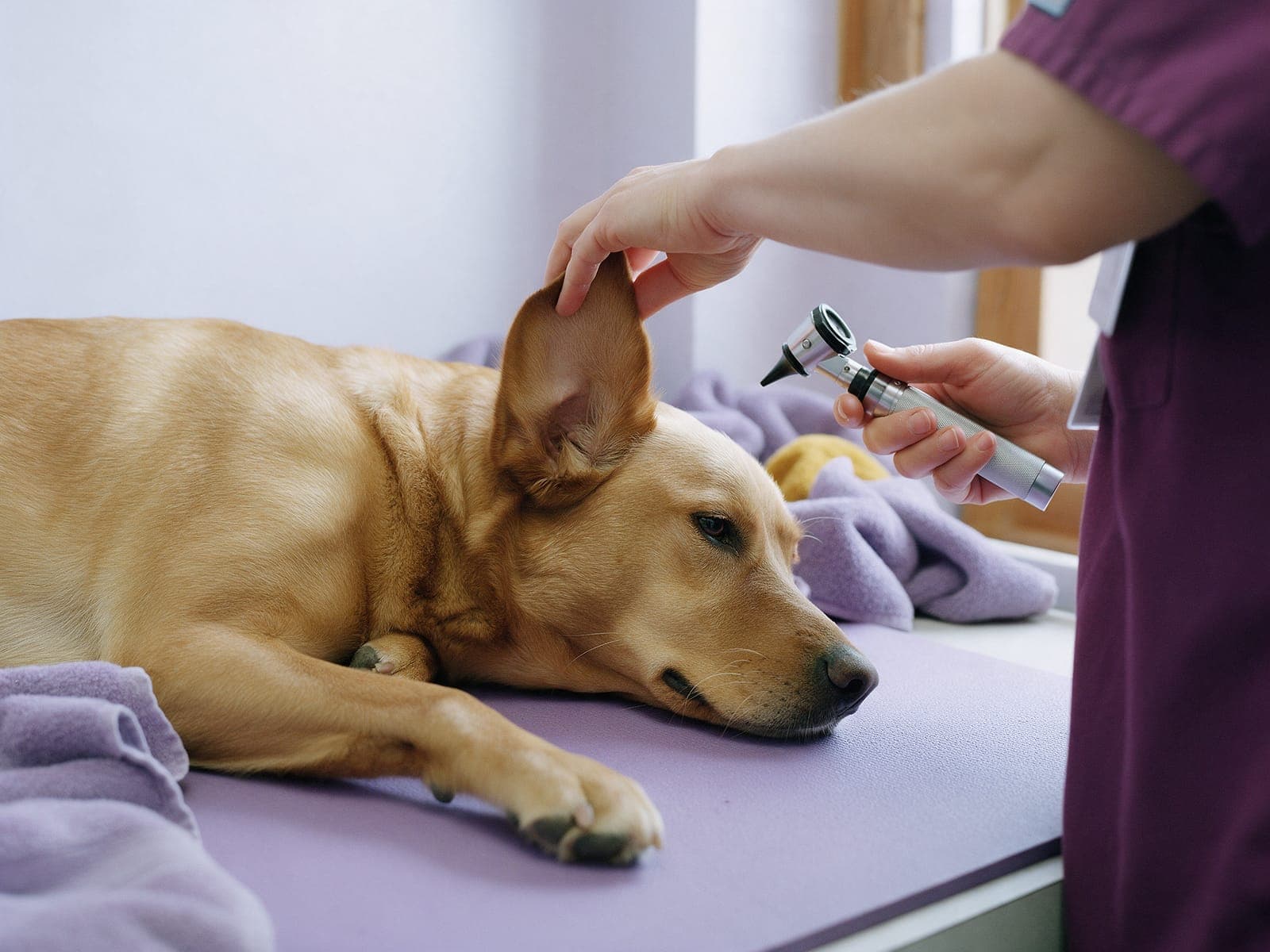
Ears: head shaking, smells, and when a tilt is urgent
Most ear trouble is yeast, bacteria, or mites. A swab tells us which, in ten minutes.
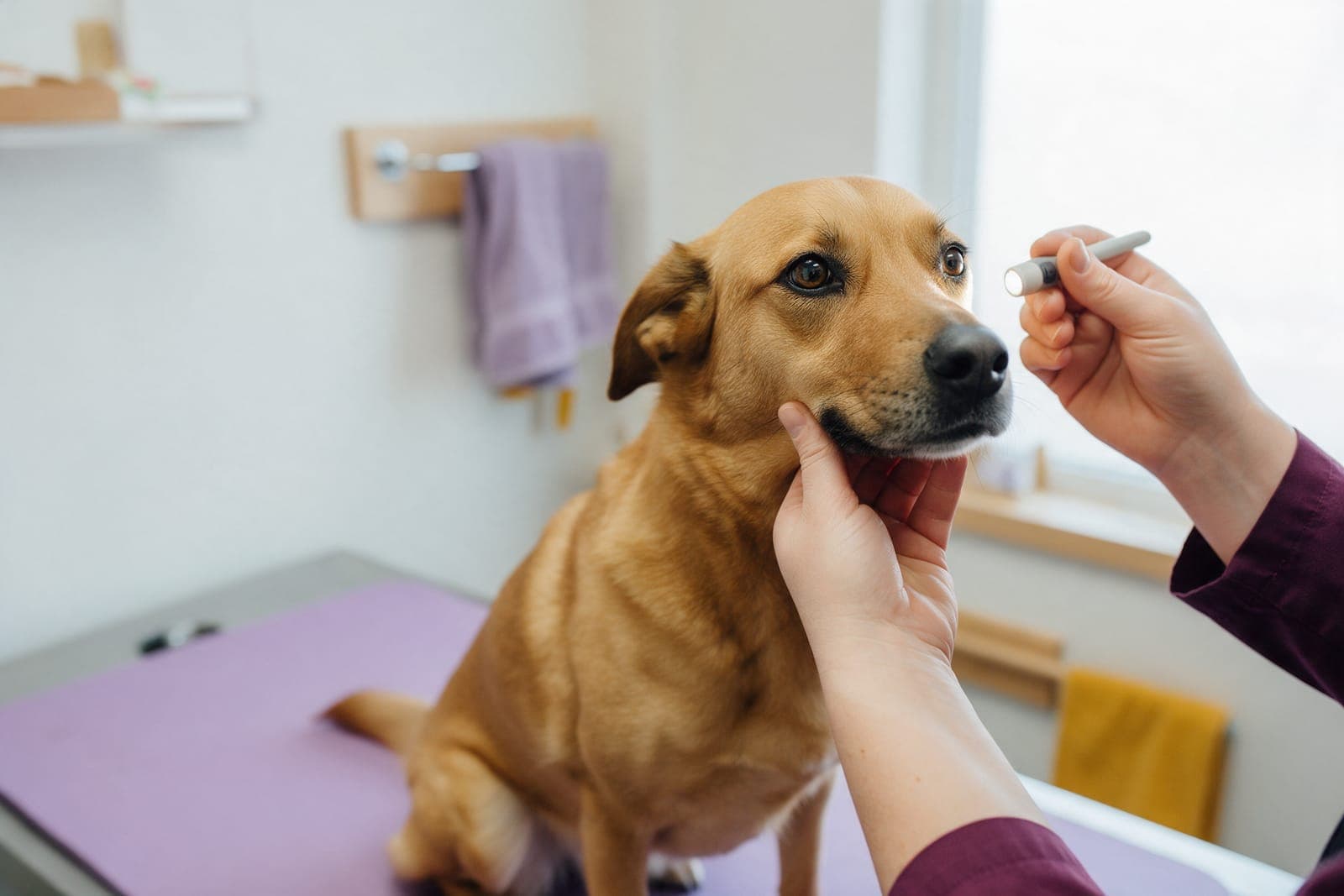
Eyes: squinting, discharge, and sudden changes
Squinting is how pets show eye pain. Most causes are small if they are seen within a day.
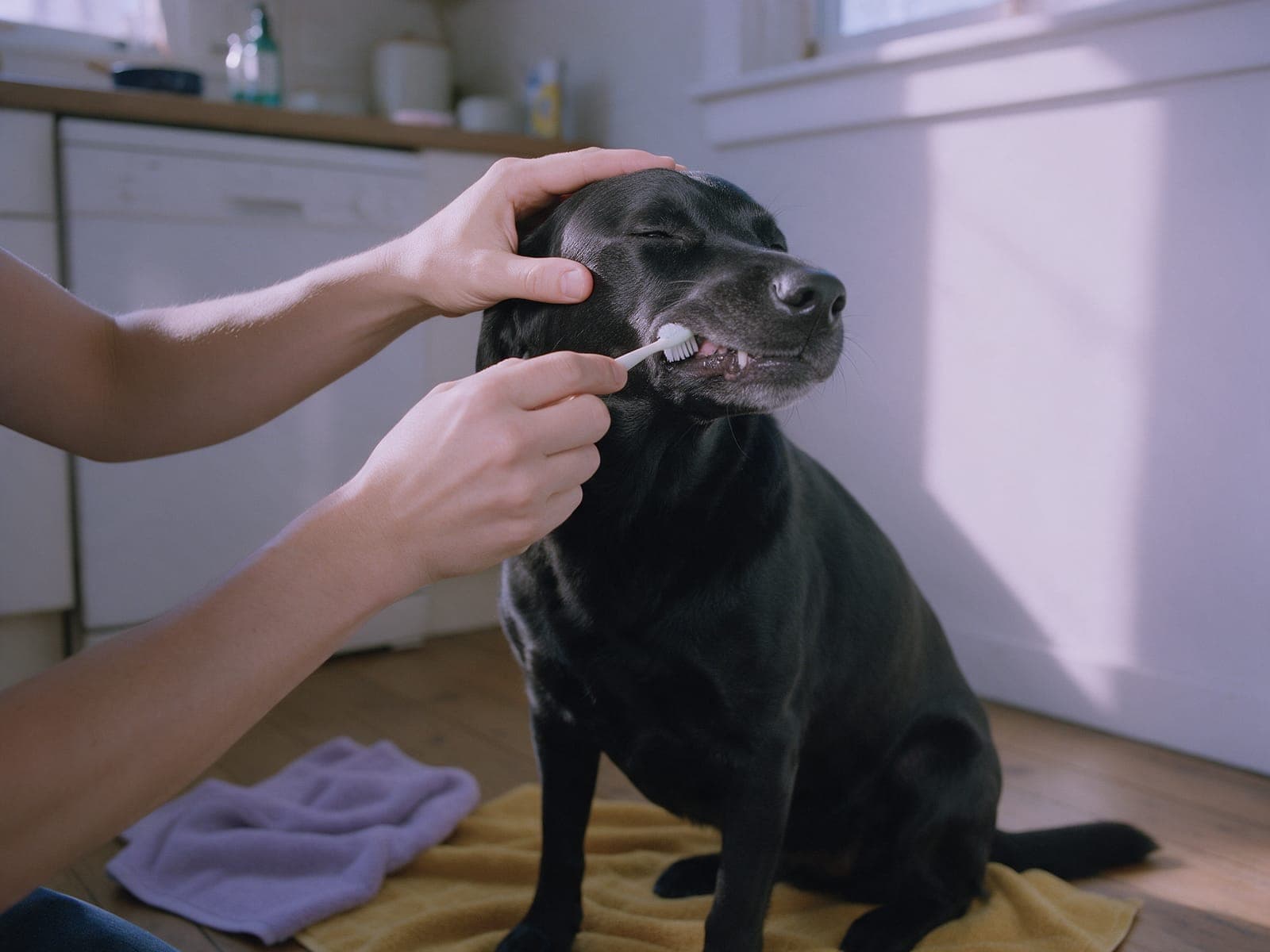
Mouth and teeth: what bad breath usually means
Bad breath usually means sore gums, and most of the problem sits below the gumline.